
A head of development in a headphone department had an embarrassing secret: The in-ears that his team developed kept failing. Of all people, the man responsible for product development was unable to test his own headphones properly. What was a professional problem for him drives many people to behave in strange ways.
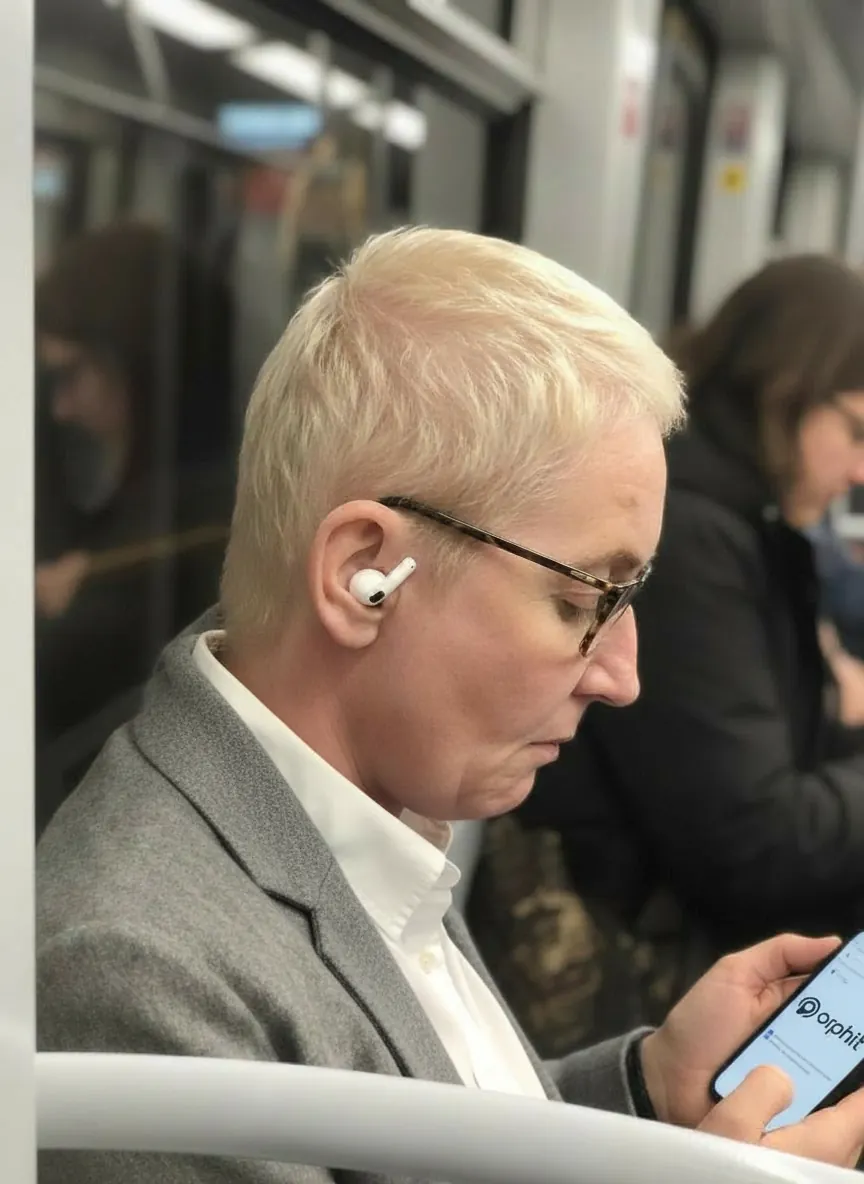
Why people stick with wired headphones
Many users don't have the confidence to try wireless headphones - for fear of losing them. Others run around the world with clunky over-ear headphones because at least they don't fall out. Still others wear them upside down or buy dozens of replacement attachments.
All of these behaviors have a common denominator: Standard in-ears simply don't fit properly.
The anatomical problem with standard headphones
Why do in-ear headphones fall out at all? The answer is anatomically clear: each ear is as individual as a fingerprint. While manufacturers work with standard tips in sizes S, M and L, our ear canals are uniquely shaped, even your left ear is different from your right ear.

The most common causes of headphones falling out:
- Wrong size: Attachments that are too small cannot be held in place, those that are too large cause pressure points
- Anatomical individuality: Standard molds do not fit all ear shapes
- Sweat and movement: Headphones slip away, especially during sport
- Incorrect insertion: Many wear their headphones backwards
Headphone categories: Each with its own fit issues
Not all headphones are the same. There are different designs, each with their own challenges:
Open-ear headphones
Sit outside the ear canal, but fall off easily when moving
On-ear headphones
Rest on the ear, can slip if they are the wrong size - which is why some people run with heavy over-ears
Wing-Type in-ears
Have small wings for better grip, but do not fit all ear shapes
Behind-the-ear headphones
Hook around the ear, often uncomfortable when worn for long periods
Bone Conduction sports headphones
They sit on the cheekbones, can slip during intensive movement and have little (low) bass
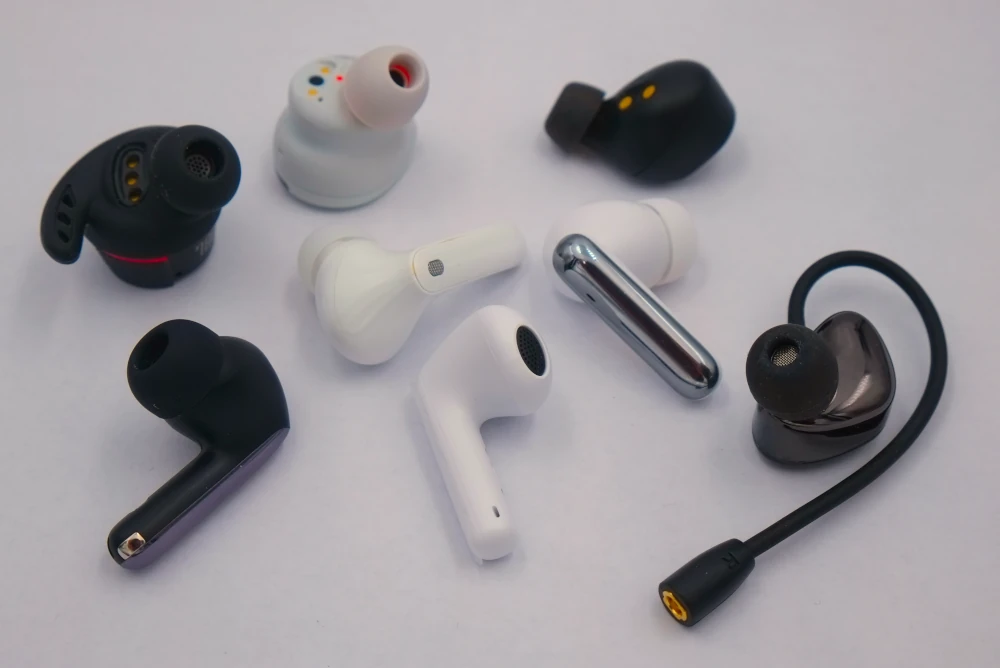
In-ears with ear tips/ear pieces
The most common form are classic earphones, some call them earplugs. But here lies the biggest problem
The eartip dilemma: material makes the difference
With sealed in-ears, the earpiece (ear tip) determines the fit. There are different materials:
Silicone Eartips
- Standard with most headphones
- Hard, slippery with sweat
- Three sizes for countless different ears
Comply Foam Eartips
- Adapt better
- Wear out quickly, crumble
- Still only a few standard sizes
The problem: Both solutions are compromises. They try to cover all ears with just a few sizes - almost impossible given the anatomical diversity.
Why expensive technology conceals a poor fit
Most manufacturers rely on digital signal processing to compensate for poor sealing. ANC (Active Noise Cancellation) and bass boosters are intended to conceal what a perfect fit would naturally solve. So you're paying for expensive technology that compensates for design flaws.
People are desperately looking for solutions - adhesive strips, ear hooks, special attachments. All aids for a fundamentally misconceived product.

The Orphit solution: guaranteed fit instead of compromises
At Orphit we solve the problem at the root. Instead of standard sizes, we manufacture each pair of headphones according to your individual ear impression. The result: Fit guarantee - your headphones will no longer fall out.
Custom-made wireless in-ears
Orphit headphones combine the best of two worlds:
- Professional fit as with musician in-ears
- Wireless freedom modern TWS earbuds
- Hybrid drivers (dynamic + balanced armature)
- Natural sound insulation (NNR) without digital tricks
Why a perfect fit is more than just comfort
Perfectly fitting headphones mean the end of many frustrations:
- No fear of loss - they just don't fall out
- No pressure points - Pleasant for hours
- Natural sound insulation - without oppressive ANC technology
- Resistant to perspiration and movement - even during the most intensive training
- Hygienic - your ear, your headphones
The development manager from back then could have finally tested his headphones properly. Instead of struggling with standard solutions, he would have had headphones that were made for his ears.
You no longer have to run around with heavy over-ears or stick with wired headphones just because you're afraid of losing wireless ones. Custom-made headphones do not fall out - that is our guarantee.