
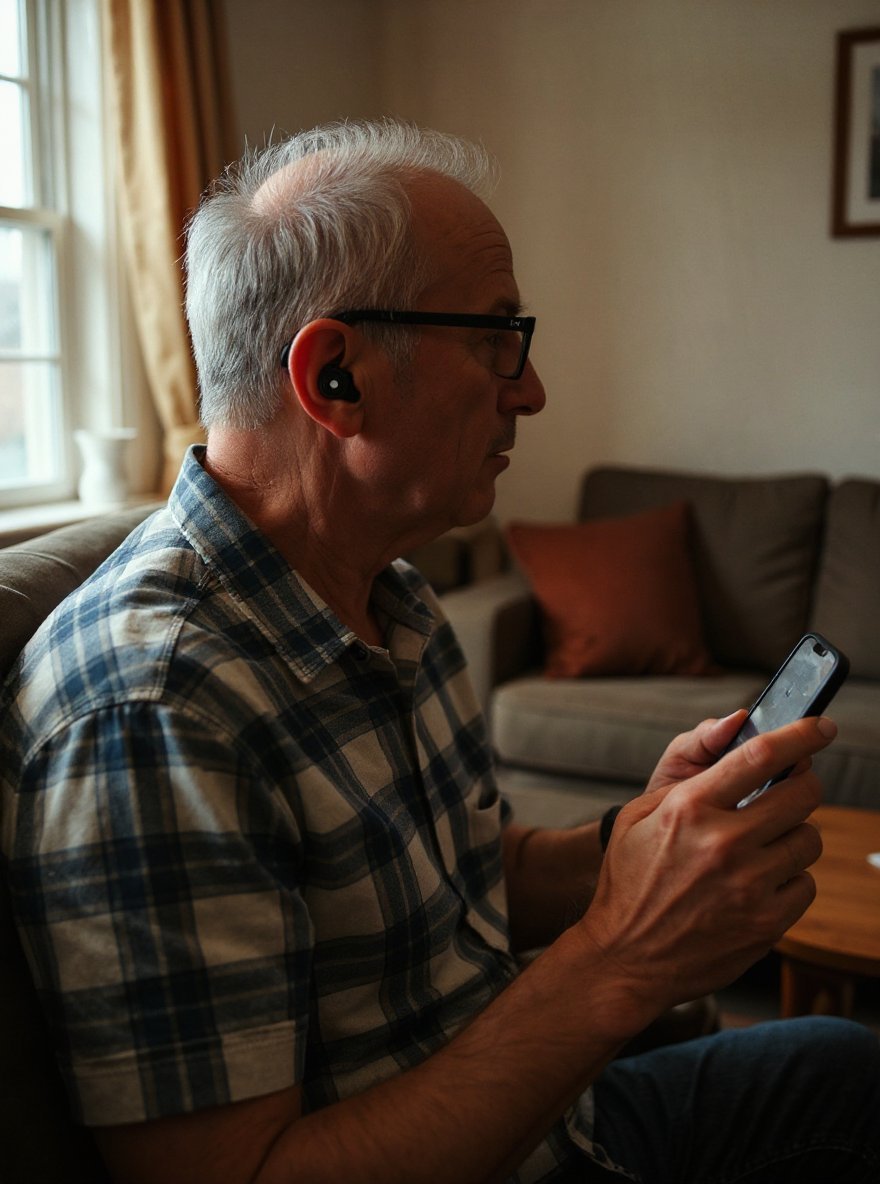
Klaus is older, loves music, and has high-frequency hearing loss. He tried to compensate on his own: a +8 dB boost on his headphones’ equalizer. It wasn’t enough. The music remained muffled, and the highs were simply gone. It’s possible to enjoy music despite age-related hearing loss, but it requires a different approach than simply adjusting the EQ slider. With Orphit, the entire audio system is instead tailored to your hearing profile: ear impressions, fit, and acoustic tuning of the frequency response during manufacturing. Let’s be honest: This can’t magically fix sensory hearing loss. But it can make the frequency ranges that your ear has trouble hearing more audible again.
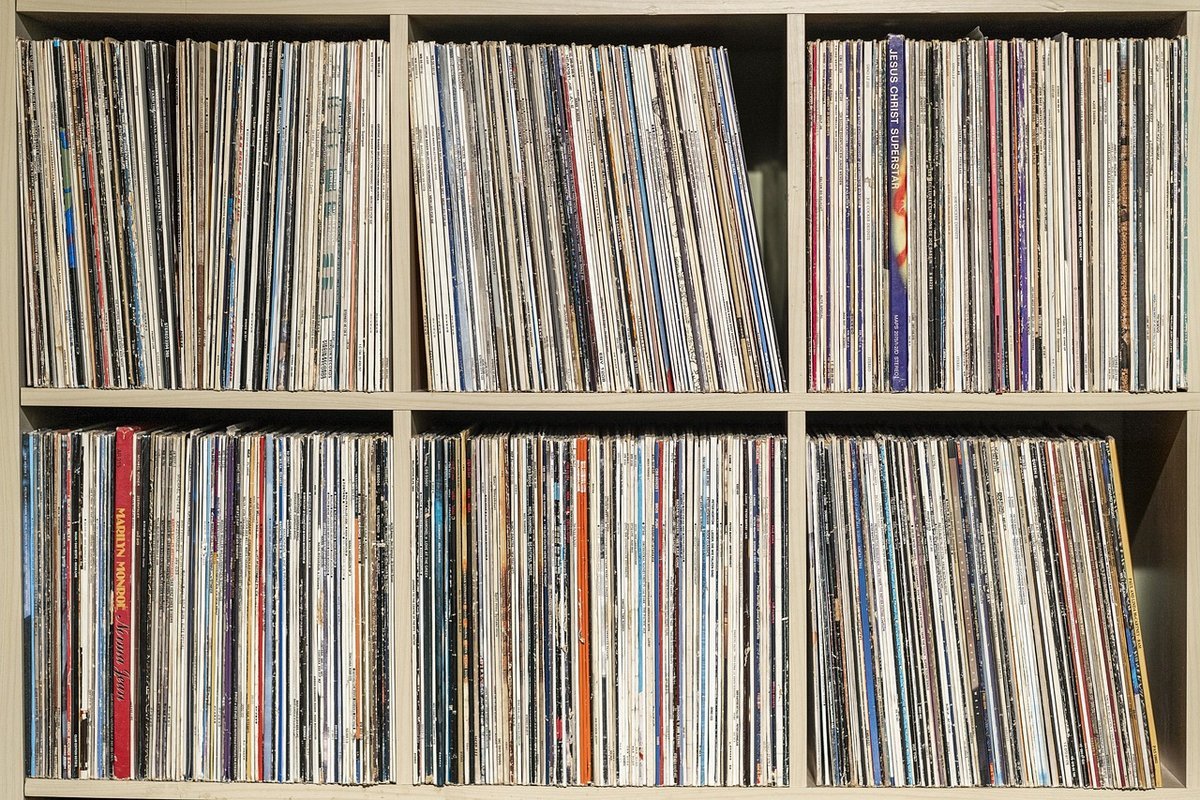
What is presbycusis? Why does hearing loss in older adults primarily affect high frequencies?
Hearing loss in older adults is medically known as presbycusis, or age-related hearing loss. It usually begins gradually and first affects high frequencies. The cause lies in the inner ear: hair cells, which convert sound into nerve signals, gradually stop functioning. Once hair cells are lost, no pair of headphones can restore them.
But what you can do is set up the compensation correctly. Understanding high-frequency hearing loss means understanding that compensation is achieved through frequency response tuning: a targeted boost in volume exactly where your hearing profile has gaps. The fit does something else: A good seal improves bass reproduction and sound isolation. However, it doesn’t produce high frequencies or compensate for sensory loss.
Why did Klaus’ +8 dB fail? A flat boost raises the level across the entire frequency range and distorts the sound. It doesn’t suit his ear; it just makes everything louder.
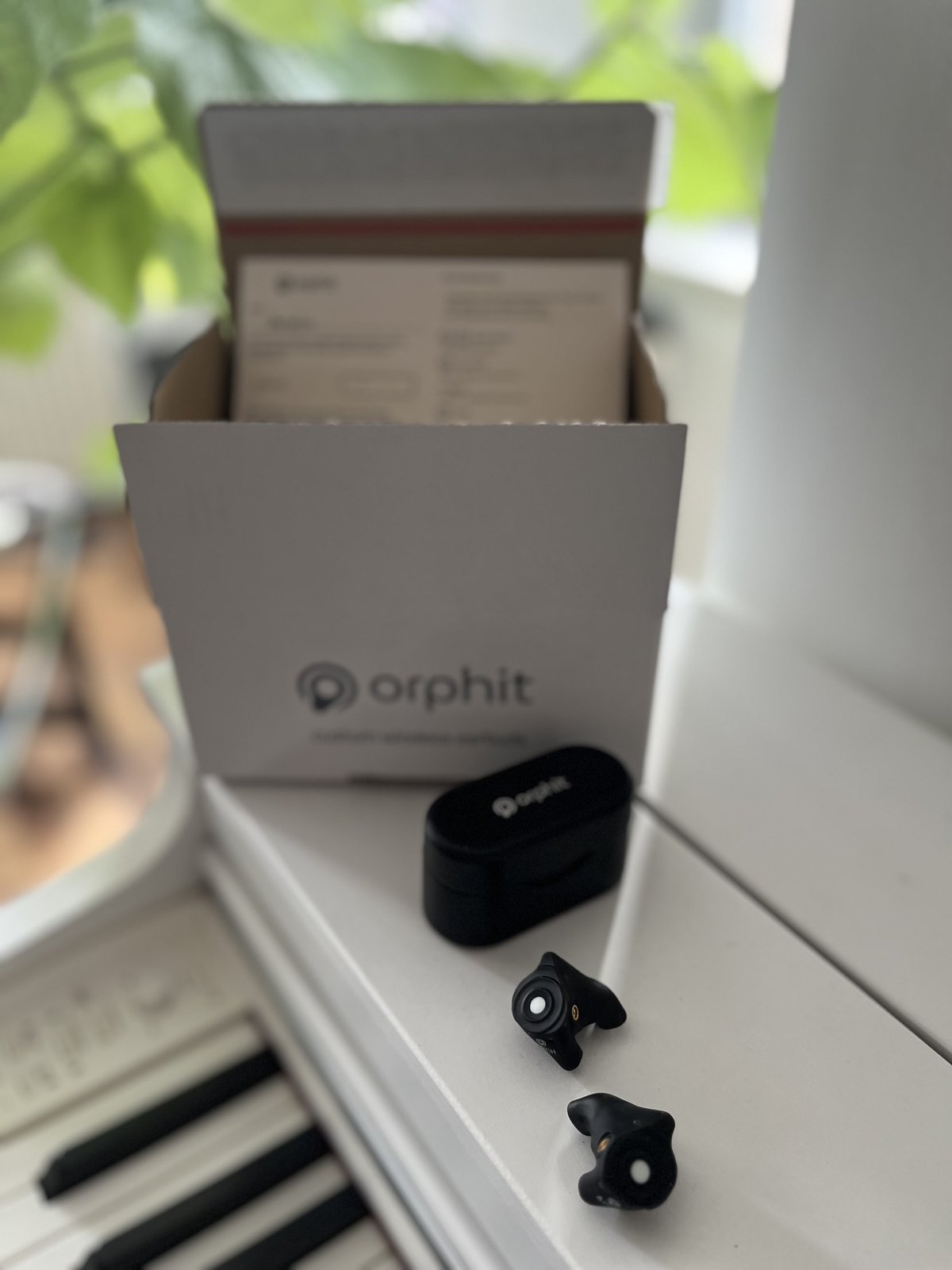
Why Standard Headphones Are a Compromise for Unique Ears
Standard earbuds are designed for the average person. Anatomically, however, there is hardly such a thing as an “average.” A CT scan study of 221 ears shows a high degree of interindividual variability; most ear canals are elliptical rather than round. [1]. Another research study on „earphone fit deviation“ confirms that commercial headphones often do not provide an optimal fit because they are designed for the average user [2].
Hearing loss in older adults is very common and often goes unnoticed in daily life until it becomes more apparent, usually when trying to follow conversations [3]. According to our Orphit White Paper Also worth noting: The deeper insertion position of a custom-made earphone produces what's known as Auditory-Tactile Bass Enhancement (ATBE)—in other words, bass that you can both feel and hear [4].
EQ Boost vs. Custom Frequency Response Tuning: What's the Difference?
The EQ boosts frequencies across the board, while individual tuning is targeted: During production, the frequency response is acoustically tailored to your hearing profile. Custom-made earbuds for hearing loss also mean custom-tailored sound. You don’t have to make any settings or adjust the equalizer—operation is handled entirely via touch controls on the earbuds.
Technically, it features a hybrid driver system: an 8-mm dynamic driver for bass, and balanced armature drivers for mids and highs. It’s also worth noting that the Orphit is tuned for music. Stage IEMs are tuned differently, with reduced bass, and often sound too thin for listening to music at home.
How does the customization process work—from the ear impression to the finished earbud?
The process is straightforward:
- 3D Ear Impression at the Hearing Care Professional's Office: takes about 15 minutes, using a 3D scan or a silicone impression. More than 7,300 hearing aid centers in Germany use these methods every day [5].
- Prototype without electronics: You check the fit before anything final is made. That's our fit and comfort guarantee.
- Handcrafted finishing touches: CAD, 3D printing, Made in Germany.
- Tuning the Frequency Response: Acoustically tuned to your hearing profile.
Wireless headphones for older adults work exactly the same way as they do for everyone else: touch controls, Bluetooth, and no fiddling with small parts.
Where are the limits? When "Orphit" isn't the right answer
I want to make this clear, because honesty is one of our core values: Sensory hair cell loss is permanent. Orphit cannot reverse hearing loss. The frequency response tuning makes affected frequency ranges louder and thus perceptible again, but it is not a substitute for medical treatment. Orphit is a pair of music headphones, not a medical device. Also: Sudden hearing loss in one ear, tinnitus accompanied by dizziness or a sensation of pressure require immediate consultation with an ENT specialist. Early detection of symptoms of age-related hearing loss is the first step; some causes can be treated if addressed quickly.
Hear music the way it's meant to sound again
Klaus has moved on from the EQ slider. Instead of a flat +8 dB across the board, he’s getting an audio system tailored to his hearing profile. Having custom in-ear headphones fitted based on a hearing test means you’ll once again hear details you’ve been missing for years. The music finally reaches the places where you can still hear it—even if it doesn’t actually heal your ear.
If, like Klaus, you’ve already adjusted the EQ slider and the music still sounds muffled, it’s simply because a blanket boost doesn’t match your individual hearing profile. If this sounds like you: Book an appointment for a 3D ear impression with a hearing care professional—the first step toward earbuds custom-built for your ear.
FAQ
Can headphones help compensate for hearing loss in older adults? No headphones can reverse sensory hair cell loss. However, it is possible to tailor the frequency response of the earbuds specifically to your hearing profile so that frequencies your ear has difficulty hearing become louder and, as a result, more audible.
What is the difference between presbycusis and technical frequency response? Presbycusis is the medical term for age-related hearing loss, in which hair cells in the inner ear deteriorate. The frequency response, on the other hand, describes the tonal tuning of a hearing aid, and that is exactly where compensation comes into play.
Can custom-made in-ear headphones replace a hearing aid? No. Orphit is an in-ear headphone designed for music and is not a medical device. The frequency response is tailored to your hearing profile during manufacturing, but this does not replace treatment or therapy.
Why is a flat EQ boost not very effective for high-frequency loss? A broad-band boost makes everything louder and distorts the sound, rather than selectively amplifying the frequency ranges where your hearing profile has gaps. The result sounds muffled instead of clear.